I have two favourite movies, Rocky and Beaches. Don’t judge me. They’re classics in my book, and I won’t waste time convincing you otherwise.
In Beaches, there’s a scene that gets everyone right in the emotional feels. The mum is on the beach (fitting, right?) and her daughter runs over, saying, “Mum, look, we have the same hands.”
Cue the tears. It’s a pivotal moment layered with meaning: the mum is dying, realising her daughter will carry her story forward. And it reminds us that so much of our connection, and creativity, stems from our hands.
Our hands aren’t just tools; they’re conductors of creativity. There’s a concept called hand knowledge, the idea that our hands hold a kind of intelligence that shapes how we think and create.
When we use our hands, we engage sensory and motor pathways that activate different parts of the brain. It’s why doodling sparks ideas, why building Lego feels oddly therapeutic, and why some of your best thoughts arrive while kneading dough or scribbling notes.
For me, it’s gardening. When my hands are in soil or ripping up weeds, I have some of my best ideas for clients or upcoming campaigns.
Hand knowledge is rooted in embodied cognition. The theory that thinking isn’t confined to the brain alone. Our physical actions influence how we process information and generate ideas.
In short: when your hands move, your mind moves too.
So, why does this matter?
In a world obsessed with screens and automation, I feel we’ve unfortunately sidelined this valuable, tactile tool.
Creativity thrives in motion. Using your hands creates a feedback loop between doing and thinking, unlocking insights you won’t find staring at a blinking cursor.
It’s like asking a renowned conductor to stand still and not use their hands while standing in front of the orchestra. It just doesn’t work.
So how do we lean into this and harness hand knowledge to foster more creative thinking?
Lego play
Bring in the Lego set when your team are tasked to problem solve or come up with a new creative solution. It’s playful, but it drives serious breakthroughs.

Sketching sessions
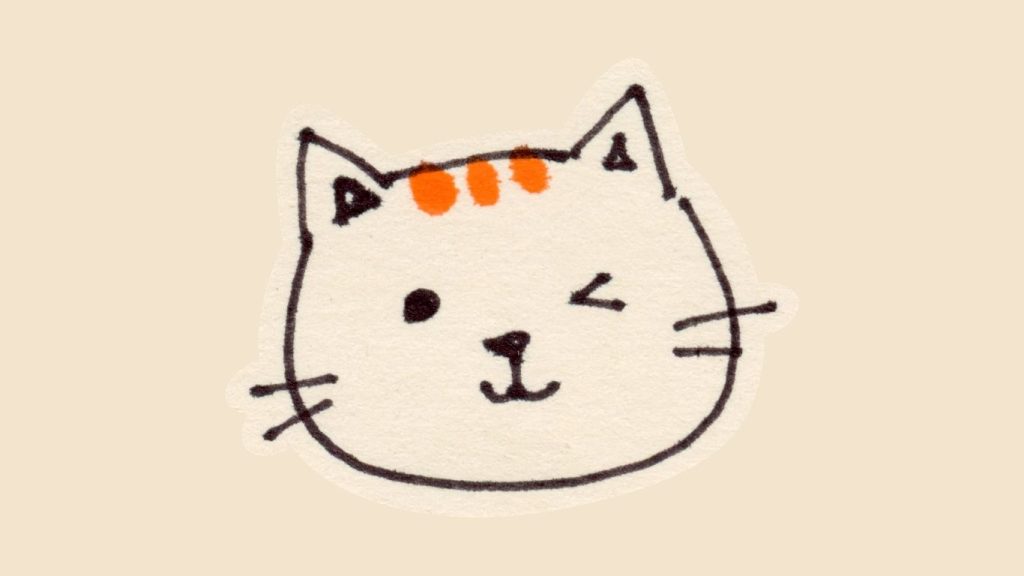
Swap bullet points for doodles. Visual thinking often reveals connections words can’t.
Tactile brainstorming
Use sticky notes, index cards, or physical props. Move ideas around, stack them and group them…just let your hands guide the flow.

Creative craft breaks
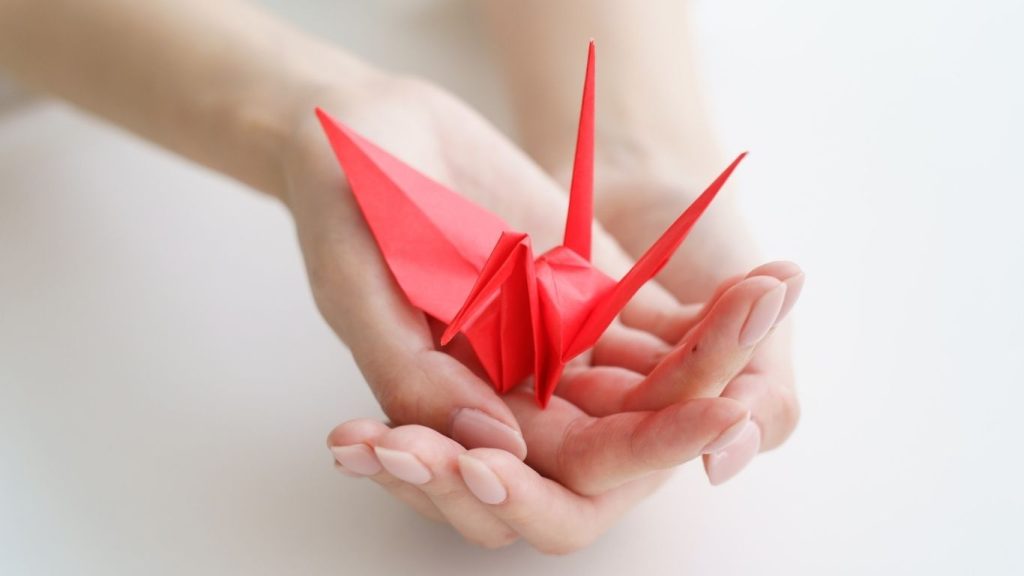
Encourage short sessions of clay modelling, origami, or even gardening for remote teams. It’s not fluff; it primes the brain for creative problem-solving.
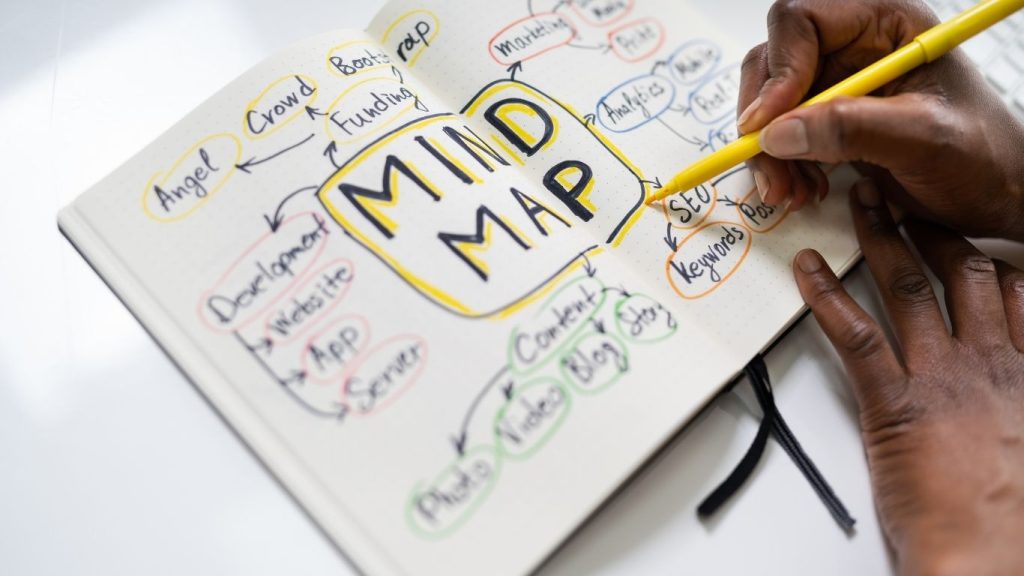
Mind mapping on paper
Resist the digital temptation. The act of drawing branches and connections by hand sparks deeper thinking.
Next time you’re told to “think outside the box,” don’t just think, make something. Because the best ideas? They don’t start in your head. They start in your hands.
And if you find yourself at the beach while trying to formulate the next major campaign idea, build a sandcastle.