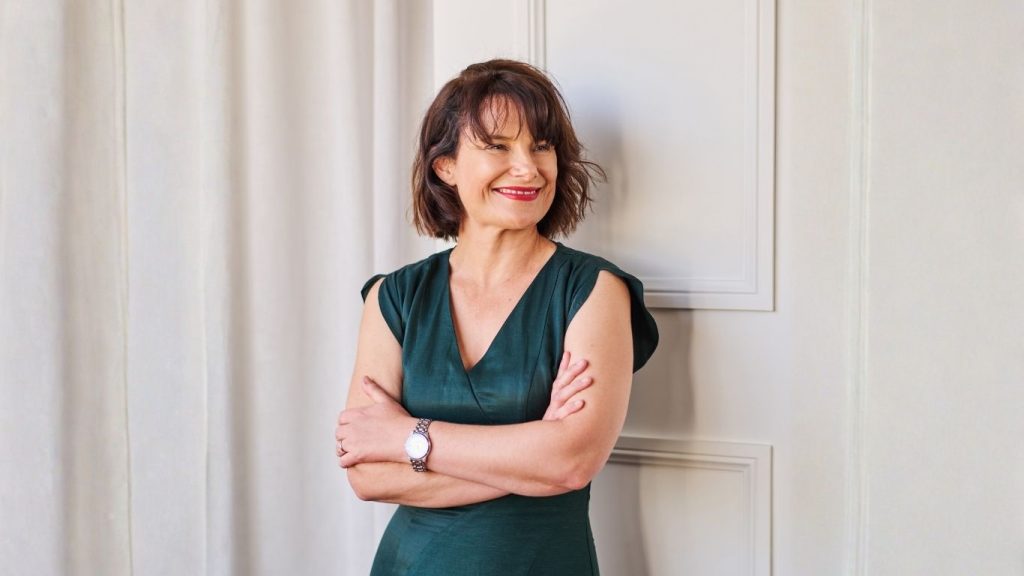
‘Behaviour change’ is one of the most overused phrases in the creative industry, says Bespoken’s founder and managing director Sarah Morgan. While it certainly has its place, she says it’s time to elevate the conversation and distinguish between behaviour change and designing for change when it comes to creating campaigns.
Morgan, who is speaking at the 2026 Content Summit Australia in Brisbane, says creatives need to “look beyond the phrase” to figure out what a campaign is genuinely trying to achieve.
“We’ve all heard the term ‘behaviour change’ used regularly in briefs, campaign strategies and even in award submissions to measure the value of our work,” Morgan said.
“But ‘behaviour change’ is the outcome – whereas designing that change in behaviour and ensuring it’s long-lasting is where we should be focusing more on.”
A former journalist and long-time agency leader with more than two decades’ experience in the communications and public relations space, Morgan says a desire to do meaningful work is why she prioritises ‘designing for change’ – a flexible concept that allows campaign executions to adapt over time rather than remain fixed ideas.
She believes creatives need to focus as much on the way change is achieved and the work that goes into it, as the eventual outcome.
“I’m a typical former journalist in that I always think in terms of the five Ws and H – namely the Who, What, When, Why and How of a campaign,” Morgan said.
“The way I see it, driving behaviour change is the ‘what’ and the ‘why’ in this scenario. We need to identify why we’re working on the problem in the first place, before we can talk about ‘what’ behaviour change we want to see to fix that problem.”
“This is where designing for changes comes in. It’s the ‘how’ we will get there for long-lasting impact, and often the who, when and where for good measure.”
Morgan believes failing to identify the ‘why’ of a campaign – and the work that needs to underpin the design of behaviour change – is the reason many campaigns create industry noise without driving long-lasting change.
“We often go straight to the end result, whether we want to encourage kids to stop vaping or drivers to follow the road rules, or we’re implementing bans for under-16s on social media,” Morgan said.
“But we should be asking ourselves how we are going to influence that change, and what areas we need to focus on first to actually drive meaningful changes in behaviour.”
Morgan’s session at Content Summit Australia, entitled: Driving change that sticks: Communications built for impact, provides an insider’s guide into how to build campaigns that drive change to achieve long-lasting behavioural change.
“The campaigns that land aren’t the ones that just inform – they provide clear pathways for how to drive or make the change,” she said.
“At Content Summit Australia, I’ll be talking about how to apply pressure in the right places, how to make people feel seen and heard, how to link to the core issue (the why), and how to create sticky campaigns that speak directly to the target audience.
“When you build campaigns this way, behaviour shifts, communities join together, and policy moves.”
It’s the third straight year Morgan has featured as a guest presenter at the conference, which in 2026 features brand strategist Eugene Healey, New York Times’ strategy director Emily Yeo and Brisbane’s Lord Mayor Adrian Schrinner among a stacked roster of speakers.
“I’m delighted to be returning to the Powerhouse and even more relieved that I haven’t worn out my welcome with Brittanie English and her team at The Content Division,” Morgan laughed.
“And while I’ve done everything from explaining how to find hooks to running crisis communications workshops and appearing on panels in the past, I honestly believe this year’s summit – and hopefully the presentation I’ve put together for it – will get people talking.”
Having created impactful campaigns for a diverse range of organisations, from growers to not-for-profits and a raft of peak body associations, Morgan says she had long been fuelled by a desire to prove the value of strategic communications.
“This is how campaigns become catalysts for genuine change,” she said.
You can hear more from Sarah Morgan at Content Summit Australia in Brisbane on April 1.