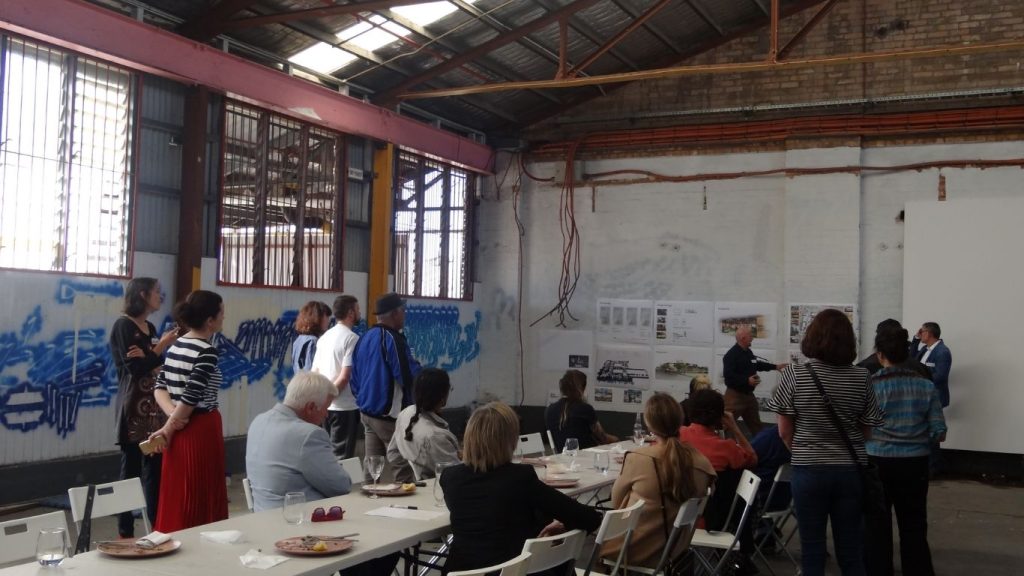
An authentic community engagement strategy isn’t just a box to tick, it’s the difference between a proposed development the neighbourhood can understand and engage with and one that sparks objections and a stressful public notification period.
We’ve seen both and trust us, the first path is far better – for all involved.
The simple definition of meaningful engagement
Think of community engagement as opening a two-way conversation with the one of the most important stakeholders – your neighbours.
It’s your opportunity to say “Here’s what we’re planning. Let’s speak directly and open an honest dialogue.”
To make sure we’re all aligned, it’s important we clarify the difference between community engagement and community consultation:
- Community consultation is about informing people of your plans and collecting feedback
- Community engagement is about building a relationship over time, and working with stakeholders to identify mutually beneficial solutions and ideas.
Consultation is one element within the wider engagement process.
When community engagement is done well, it builds trust, uncovers local insights, and helps you create something the community can potentially get behind.
Done poorly or not at all, assumptions, fear and misinformation rush in to fill the silence.
Don’t wait for the invitation
When preparing an impact-assessable development application (DA), the biggest mistake is waiting until the community is formally invited to have their say.
By then, the horse has truly bolted. In fact, it’s not just bolted it’s long gone.
That invitation comes during public notification, a legally required stage that begins after your DA is lodged and under assessment.
Public notification isn’t meant to be an introduction to a project. It’s an opportunity for the community to send feedback, raise concerns or lodge objections with Council.
Starting a community engagement strategy at this stage is like showing up to a first date and announcing you’re already engaged. It’s far too late to build trust, connection or understanding.
We often meet businesses who come to us after lodging their DA, panicked because the community is pushing back. But at that point, the application is locked in. Design changes can’t be made, and any “engagement” is simply informing, not listening. It’s consultation at best, and it is not at its finest.
The right time to engage? Much earlier than you think
Engage the community while you’re shaping your DA, not after it’s finalised. Proactive engagement allows you to:
- Understand concerns before they escalate
- Refine your design using real local insights
- Address misinformation before it spreads
- Build trust, transparency and long-term relationships
- Potentially, reduce pushback and appeals
- Show Council you’ve proactively engaged the local community for input and feedback
If your proposal has the potential to affect traffic or parking, noise, existing infrastructure, density, neighbourhood character, or community facilities, early engagement isn’t optional. It’s just smart.
Proactive engagement reveals insights you can’t see from the drawing board
Implementing a proactive community engagement strategy provides an invaluable opportunity to understand what locals cares about. Maybe it’s traffic during school pick‑up time. Maybe it’s protecting a view line. Maybe it’s fears about noise, overshadowing, or safety.
You won’t know unless you ask and you won’t be able to respond unless you ask early.
A 2025 industry report by NBN Co and Urbis, Accelerating Smarter Development, revealed that developers who plan strategically, align stakeholders early, and engage upfront are better positioned to unlock value and avoid costly redesigns.
Early community engagement helps you identify what’s reasonable, negotiable and simply needs clearer communication. It will hopefully strengthen your future DA; highlight benefits residents may not have considered and helps you address concerns constructively rather than defensively.
Not every piece of community feedback will be feasible or aligned with planning requirements and that’s okay. Community engagement is more about building understanding.
Early conversations often uncover small but meaningful adjustments that reduce friction, improve community sentiment, and strengthen the chances of development approval.
The reality: Communities have influence and will use it
Communities are more informed and connected than ever. When they feel blindsided or ignored, they mobilise quickly and begin to assume the developer is hiding something.
During public notification, they can lodge formal submissions, which Council must consider as part of its decision‑making process for impact‑assessable developments.
If multiple submissions raise strong, legitimate concerns, Council may impose conditions or, in some cases, deny development approval – a risk that early, transparent community and stakeholder engagement can potentially reduce.
Final thoughts
A thoughtful community engagement strategy doesn’t slow your project down; it clears the path ahead. It reduces risk, builds trust and increases the likelihood of a smooth, supported development approval.
So, don’t wait for the formal invitation. Start early, listen and work collaboratively with the local community.